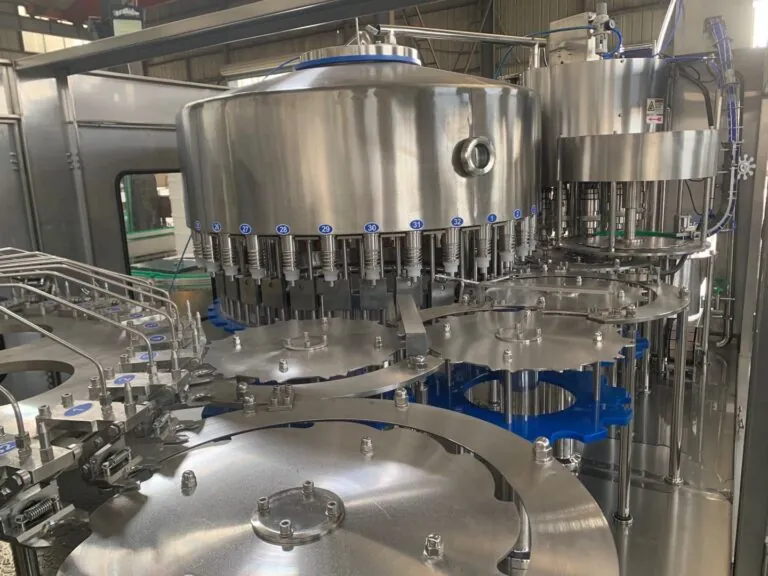
Liquid Filling Machine Malaysia

Built for Fast,

Consistent Production

A liquid filling machine Malaysia companies can count on is the one that is able to work with a broad variety of liquids, including thin and free-flowing liquids as well as more viscous ones. These machines are designed to provide precise fills, a high level of volume control, and clean operation, and can be used in the food and beverage, cosmetics, pharmaceuticals, chemicals and household products industries. The system can fill bottles, jars, pouches, and containers of varying shapes and sizes based on the desired shape and size and ensure the production process is continuous, depending on the model.

The new generation liquid filling systems have new features such as adjustable nozzles, anti-drip controls and programmable controls to minimize spillage and enhance efficiency. They may be separate units or part of an entire line of bottling or packaging systems, including capping, labeling, and conveyor stations. These machines ensure that manufacturers uphold the hygienic standards and minimize wastage, as well as ensure uniform production even when producing large volumes of the product.

Types of Liquid Filling Machines

Choosing the right liquid filling machine Malaysia depends on the liquid type, container, and production needs.

Gravity Fillers

Designed for thin, free-flowing liquids like water, juice, and beverages. They work well in high-speed lines where simple and cost-effective filling is sufficient.

Piston Fillers

Ideal for thicker liquids such as sauces, creams, and gels. These machines ensure accurate portioning and minimal wastage, making them suitable for food, cosmetics, and pharmaceutical products.

Overflow Fillers

Perfect when consistent fill levels matter, such as bottled drinks or cleaning liquids. This ensures each container looks uniform, which is important for retail presentation.

Pump Fillers

Flexible enough to handle liquids of different thicknesses, from thin juices to viscous pastes. They are suitable for production lines with multiple container types or varying product types.

Industry Applications

How to Choose the Right Liquid Filling Machine

Liquid Viscosity

This is the most important factor. Thin, free-flowing liquids like water, juice, and vinegar work well with gravity fillers. Medium-viscosity liquids like cooking oil and liquid soap suit pump fillers. Thick products like sauces, pastes, honey, and cosmetic creams require piston fillers for accurate dispensing.

Fill Accuracy Requirements

If your product is sold by volume and consistency matters for retail presentation, overflow fillers ensure every container reaches the same visual fill level regardless of slight container variations. For products sold by weight or where precise dosing is critical (such as pharmaceuticals), piston fillers offer the tightest volume control.

Container Type

Bottles, jars, pouches, tubes, and cans each require different nozzle configurations and filling approaches. Round bottles on a conveyor line are straightforward. Flexible pouches may need a VFFS machine with a liquid pump filler integrated, rather than a standalone filling station.

Production Speed

Small-batch producers running under 30 containers per minute can work with semi-automatic fillers. High-speed lines above 60 containers per minute need fully automatic multi-head systems with synchronized capping and labelling downstream.

Need more info? Check out our most frequently asked questions.

What types of liquids can this machine fill?

Depending on the filler type, it handles water, juices, oils, syrups, sauces, pastes, lotions, detergents, and pharmaceutical liquids. Gravity fillers suit thin liquids, piston fillers suit thick products, and pump fillers handle a broad viscosity range.

Can the machine handle different container sizes?

Yes. Most liquid filling machines are adjustable for different bottle heights, diameters, and volumes. Nozzle positions, fill volumes, and conveyor guides can be reconfigured for different container formats.

How does the liquid filling machine ensure accurate filling?

Flow meters, piston systems, or gravity-based controls regulate volume to maintain consistent fill levels with minimal variation.

Will it stop dripping or overflowing?

Most models have anti-drip nozzles and regulated filling rate to limit spillage and enhance cleanliness.

Would it apply to thick or foamy liquids?

The machine can accommodate lotions, gels and mildly foamy liquids with the right type of nozzle and method of filling.

How easy is it to clean and maintain the machine?

Maintenance and cleaning are critical for liquids that can spoil or stick, and buyers want to minimize downtime and labor.

Is this machine suitable for food and pharmaceutical products?

Yes. The system uses food-grade stainless steel contact parts and is designed for hygienic operation in compliance with HACCP and GMP standards.

What is the production speed of the machine?

It depends on the model. Speed varies by configuration and bottle size.

How do I choose between gravity, piston, overflow, and pump fillers?

Match the filler to your product. Gravity for thin, free-flowing liquids. Piston for thick sauces, creams, and pastes. Overflow for products where a consistent fill level matters for retail appearance. Pump for versatile handling across multiple liquid types on the same line.

What happens after filling?

After filling, containers typically move via conveyor to capping, labelling, and inspection stations. A metal detector checks for contaminants before products proceed to secondary packaging. Welpack provides complete line integration from filling through to palletizing.

Complete Your Filling Line Solution

Boost your liquid filling operations with smooth product movement and faster line speeds.

Explore our Packaging Conveyor Systems for seamless integration with your filling machines.